
Spaces That Stop Wasting Heated Air
Attic Insulation in Adams for homes losing conditioned air through ceiling gaps and poorly sealed roof structures
When the second floor feels noticeably colder than the first floor during winter months, or when ice dams form along the roof edge after snowfall, the attic structure is often allowing expensive heated air to escape directly through the ceiling plane. Challacombe Spray Foam addresses these heat loss patterns across Adams and handles attic insulation projects that stop the upward flow of conditioned air while controlling moisture movement through the roof assembly. Homeowners typically notice the difference when rooms maintain consistent temperatures without constantly adjusting the thermostat.
Attic insulation involves sealing air leakage points around penetrations, evaluating the existing thermal barrier, and installing materials such as spray foam, cellulose, or fiberglass depending on attic access, ventilation design, and performance goals. The choice between materials depends on whether the attic is conditioned or vented, how much clearance exists around roof framing, and what R-value the building requires to meet energy efficiency targets.
Schedule an attic evaluation to identify specific air leakage points and determine which insulation approach suits your roof structure.
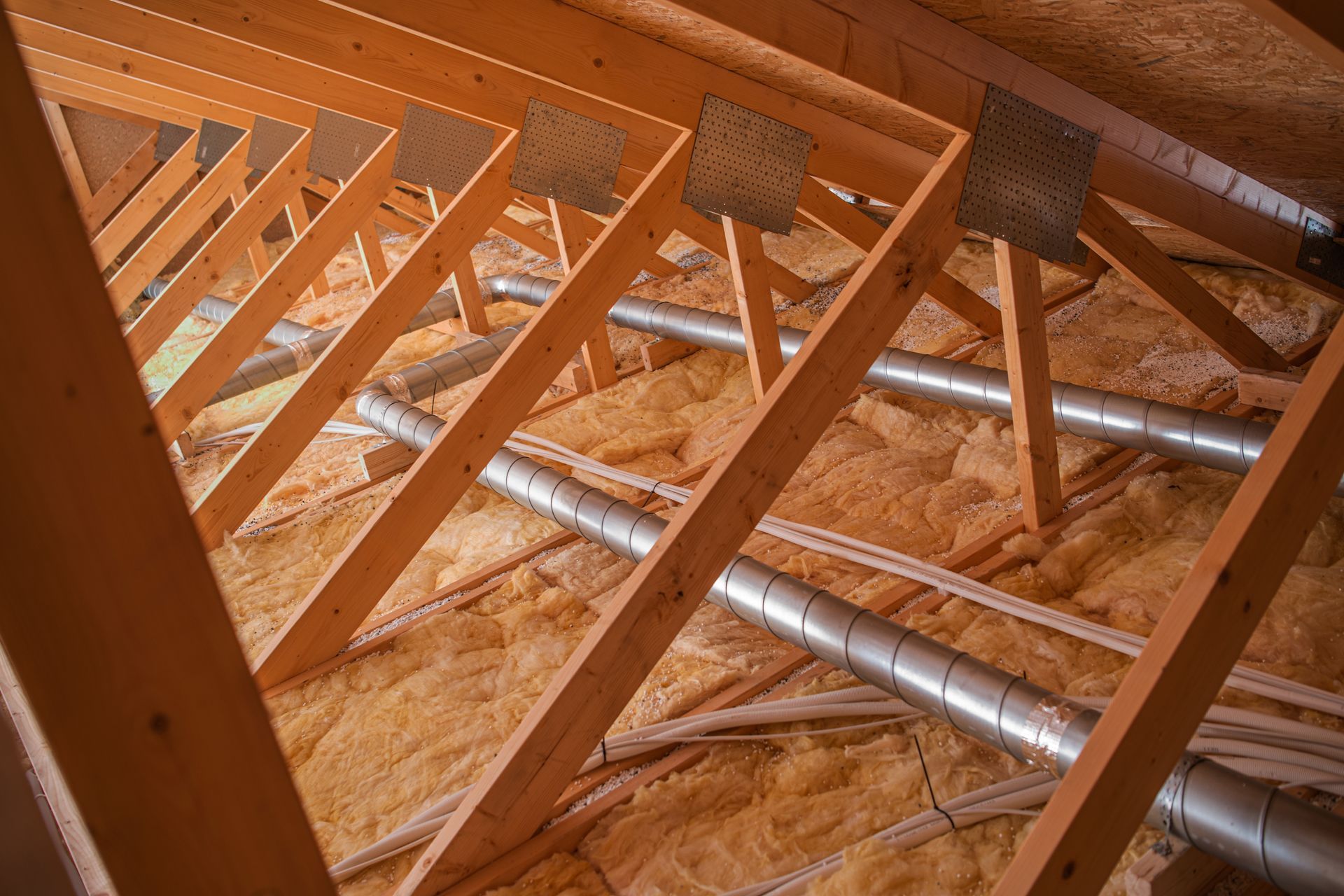
What Proper Attic Insulation Actually Accomplishes
The installation process begins with air sealing around chimney chases, plumbing stacks, electrical penetrations, and top plates where framing meets drywall, since air movement through these gaps undermines any insulation layer added afterward. Spray foam creates an airtight barrier that stops convective heat loss, while cellulose and fiberglass products require separate air sealing before the insulation goes down to prevent wind washing and thermal bypass.
After the work is finished, upper-floor rooms hold temperature more consistently, heating systems run less frequently to maintain set points, and ice dams become far less common because the roof deck stays cold during winter months. Energy bills reflect the reduced heating load within the first full season, and attic spaces no longer feel dramatically hotter than outdoor temperatures during summer afternoons.
The scope includes preparing the attic space for safe installation, addressing any ventilation requirements based on building code and roof design, and ensuring the thermal envelope connects properly to wall insulation at the eaves. Attic insulation does not include repairing roof leaks, replacing damaged roof decking, or upgrading electrical systems, though those issues need resolution before insulation work begins.
What Homeowners Usually Ask
These questions come up frequently during attic insulation consultations, especially regarding material selection and how climate conditions affect performance.
What type of insulation works best for older homes with limited attic access?
Blown cellulose or spray foam often suits homes where roof pitch or truss design restricts movement, since both materials fill irregular cavities without requiring large access openings or extensive labor to distribute evenly.
How does attic insulation reduce ice dams on roofs during winter?
Proper attic insulation keeps the roof deck cold by preventing heated indoor air from reaching the underside of the sheathing, which eliminates the freeze-thaw cycle that causes snowmelt to refreeze at the eaves and form dams.
When should attic insulation be replaced or upgraded?
If insulation has compressed, shows visible gaps around penetrations, or no longer provides adequate R-value for current energy codes, upgrading makes sense, particularly before heating seasons when energy costs rise.
What happens to existing insulation during the installation process?
Depending on condition, existing material may be removed if it holds moisture or has deteriorated, or it may remain in place if compatible with the new insulation layer and still provides thermal value.
How does attic ventilation interact with insulation performance in Adams?
Vented attic assemblies require insulation installed on the attic floor with sufficient airflow from soffit to ridge, while unvented designs seal the roof deck itself and condition the attic space, which affects material choice and installation method.
Challacombe Spray Foam evaluates attic conditions based on existing thermal performance, ventilation design, and access limitations to recommend the most effective insulation strategy. Request an attic inspection to review your roof assembly and identify where heat loss occurs throughout the structure.