
Insulation That Stops Air Movement and Energy Loss
Spray Foam Insulation in Adams for homes losing conditioned air through gaps and uninsulated cavities
Challacombe Spray Foam installs spray foam insulation that creates a continuous air seal while delivering thermal resistance across residential and commercial properties in Adams. This dual-function material expands into cracks, seams, and irregular spaces where traditional insulation leaves gaps, addressing both infiltration and heat transfer in a single application. The difference becomes noticeable during winter months when furnaces run less frequently and drafts no longer pull cold air through wall cavities or attic penetrations.
The insulation process involves applying foam that bonds to framing, sheathing, and existing surfaces to form a sealed thermal envelope. This approach prevents conditioned air from escaping through the building shell and blocks outdoor air from entering, which reduces the workload on heating and cooling systems. Spray foam also controls moisture movement by creating a vapor barrier in closed-cell applications, limiting condensation risks in basements, crawl spaces, and exterior walls where humidity can accumulate during seasonal temperature shifts common across the Capital Region.
Schedule a spray foam insulation estimate to identify where air leakage is affecting your building's performance.
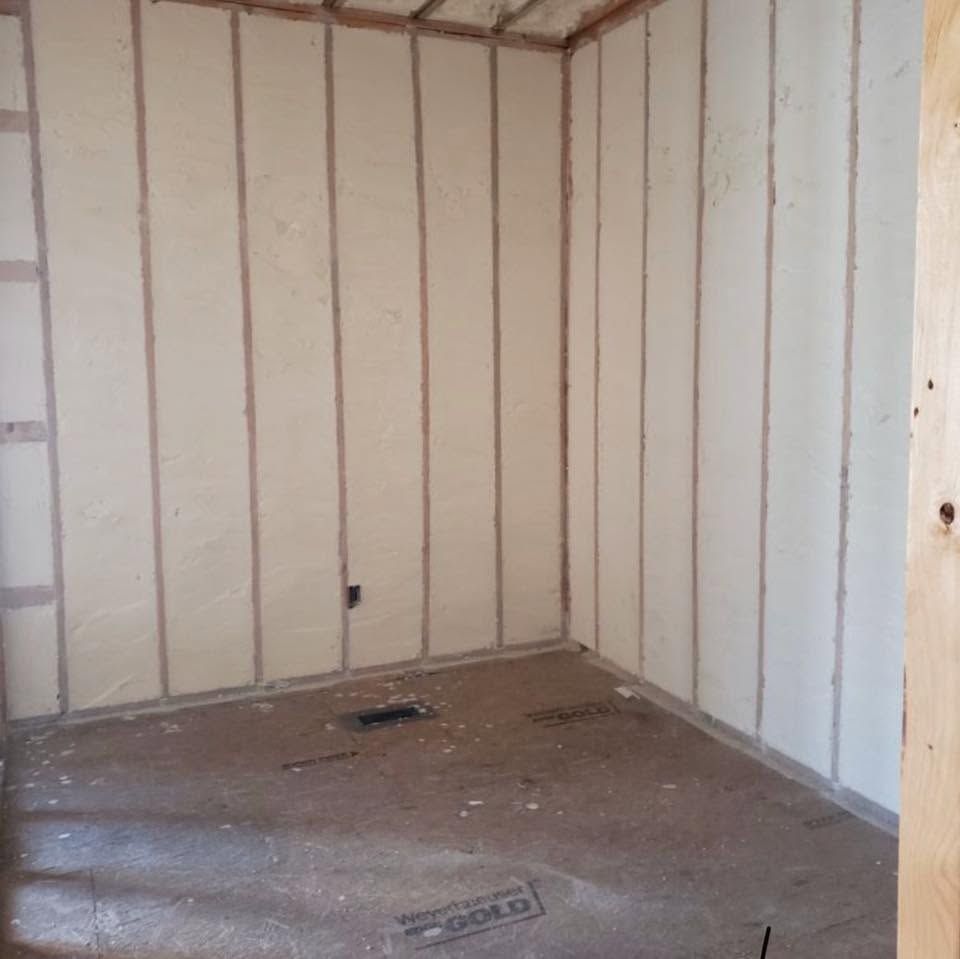
How Spray Foam Changes Building Performance
Challacombe Spray Foam applies foam in layers that expand and cure to fill voids around electrical boxes, plumbing penetrations, rim joists, and irregular framing details. The material adheres directly to surfaces, eliminating the compression and settling issues that reduce effectiveness in loose-fill or batt insulation over time. Each application is calibrated for thickness based on the target R-value and the specific assembly being insulated, whether that involves attic roof decks, wall cavities in additions, or unheated spaces like pole barns and garages.
After installation, you notice consistent temperatures across rooms that previously felt colder near exterior walls, reduced furnace cycling during cold nights, and elimination of drafts near baseboards or ceiling edges. Indoor air quality often improves as the sealed envelope prevents outdoor allergens, dust, and exhaust fumes from infiltrating through hidden gaps. Homes and commercial buildings treated with spray foam typically see lower utility bills within the first heating season, with the insulation maintaining its performance for decades without sagging or losing thermal resistance.
The service applies to new construction, remodels, and retrofits where existing insulation has failed or was never installed properly. Foam works in unconditioned attics where ventilation requirements differ from traditional insulation methods, in cathedral ceilings where space limitations prevent adequate batt depth, and in metal buildings where thermal bridging through structural members creates cold spots.
Answers to Frequent Service Questions
Insulation decisions depend on building type, existing conditions, and performance goals specific to your property.
What buildings benefit most from spray foam insulation?
Structures with complex framing, multiple penetrations, or difficult-to-reach cavities see the greatest impact because foam conforms to irregular shapes and seals gaps that other insulation types cannot address effectively.
How does spray foam perform during Adams winters?
The air seal created by foam prevents cold outdoor air from entering through building gaps, which is often a larger source of heat loss than conduction through walls alone, making it particularly effective when temperatures drop below freezing for extended periods.
Why does spray foam help with moisture control?
Closed-cell formulations block water vapor from moving through the building envelope, reducing condensation risks in basements and crawl spaces where humidity levels fluctuate with seasonal ground moisture and temperature changes.
When should spray foam be applied during construction or remodeling?
Foam is installed after framing, electrical, and plumbing rough-ins are complete but before drywall or interior finishes are added, allowing full access to cavities and ensuring proper adhesion to all surfaces.
What distinguishes spray foam from batt or blown insulation?
Spray foam combines insulation and air sealing in one material, eliminating the need for separate air barrier systems and preventing the gaps that commonly occur when batts are cut around obstructions or blown insulation settles over time.
Challacombe Spray Foam evaluates building assemblies, existing insulation conditions, and ventilation requirements before recommending foam specifications. Request an insulation consultation to determine the most effective approach for your building's thermal envelope.