Surfaces That Stop Creating Trip Hazards
Concrete Lifting in Western Massachusetts for sunken sidewalks, driveways, and patio slabs settling unevenly beneath foot traffic and vehicle weight
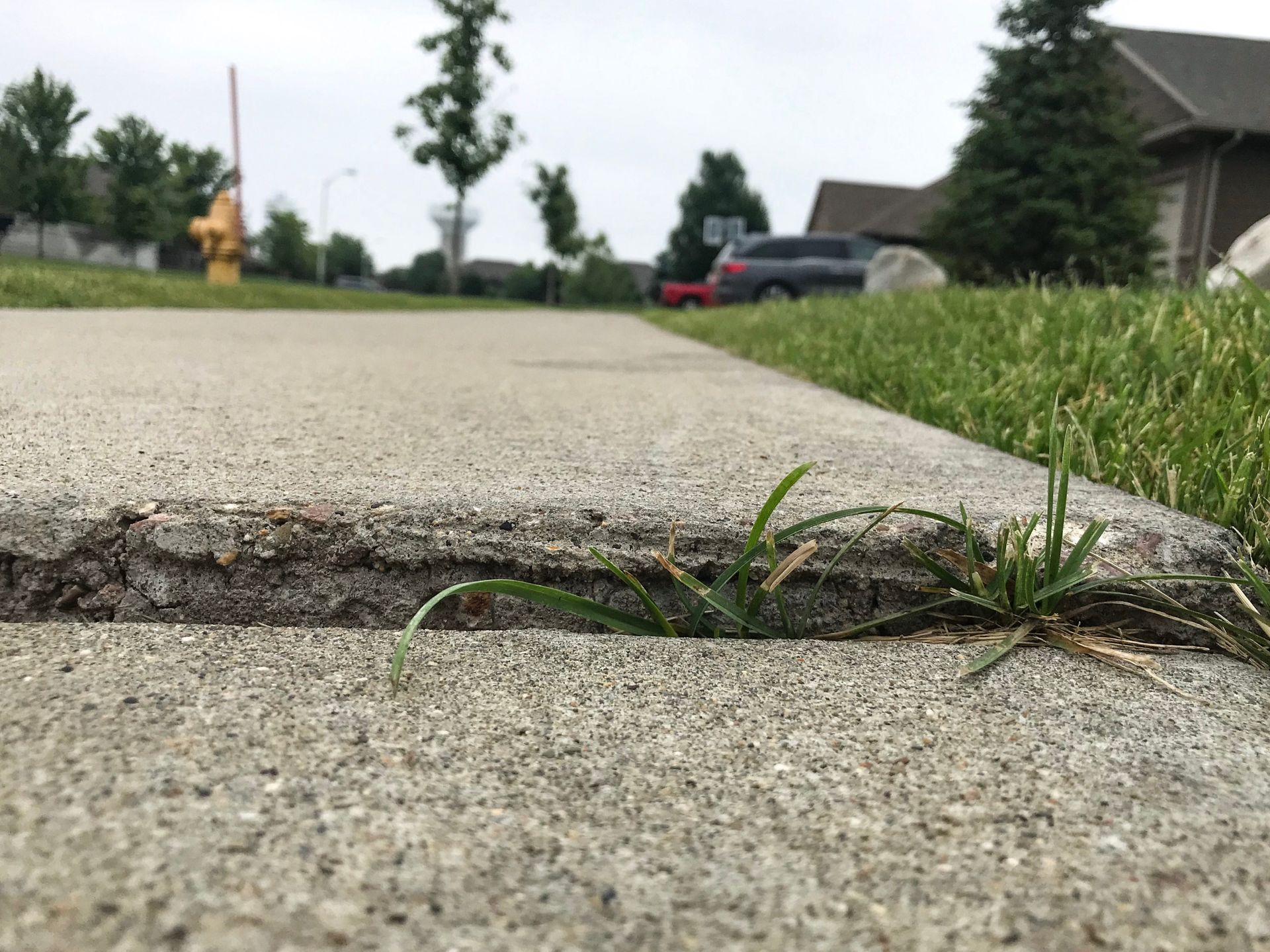
Concrete slabs sink when soil beneath them compacts, erodes, or washes away, leaving voids that allow the rigid surface to drop and create height differences between adjacent sections. These offsets become trip hazards on walkways, cause drainage problems on driveways, and damage vehicles that repeatedly cross uneven transitions. Challacombe Spray Foam lifts settled concrete by injecting expanding polyurethane foam beneath the slab, which fills voids and raises the surface back to its original elevation. The process restores level surfaces across Western Massachusetts and neighboring New York communities without the expense and disruption of removing and replacing entire concrete sections.
Concrete lifting involves drilling small access holes through the slab, injecting foam that expands and hardens within minutes, and monitoring elevation changes in real time to achieve precise height adjustments. The foam cures quickly enough that treated surfaces can handle foot traffic within hours and vehicle loads the same day, which minimizes downtime compared to full concrete replacement that requires weeks of curing.
Request a concrete lifting estimate to evaluate which sections need elevation correction and how much adjustment will restore proper drainage slopes.
What Lifting Existing Concrete Prevents Long-Term
The lifting process begins with identifying settlement patterns, drilling injection ports at strategic locations, and pumping foam beneath the slab while measuring elevation changes to prevent over-lifting or cracking. The expanding foam compacts loose soil beneath the slab and fills voids left by erosion, creating a stable base that supports the concrete without further settlement. Multiple injection points across large slabs ensure even lifting without tilting or creating new height differences.
After lifting is complete, adjacent slab sections sit flush with each other, eliminating the lips and offsets that cause people to trip and stumble. Water drains properly off driveways and patios rather than pooling against foundation walls or creating ice patches during freezing weather. Garage floors no longer direct water toward the interior, and sidewalks meet ADA requirements for accessibility without height transitions exceeding code limits.
Concrete lifting addresses settlement caused by soil compaction, erosion, and voids beneath slabs. It does not repair cracks caused by freeze-thaw damage, structural failures from inadequate reinforcement, or surface spalling from de-icing chemicals. Slabs with extensive cracking or deteriorated concrete may still require replacement even after settlement issues are corrected.
What Property Owners Usually Ask
These questions come up when property owners consider lifting versus replacing settled concrete surfaces.
What causes concrete slabs to sink over time?
Soil beneath slabs compacts from traffic loads, erodes when water washes material away, or settles when fill dirt used during construction was not properly compacted before the concrete was poured.
How long does lifted concrete remain stable after treatment?
The polyurethane foam used for lifting does not break down or compress over time, so lifted slabs remain stable as long as the underlying soil conditions do not change due to new erosion or drainage problems.
When does replacement make more sense than lifting settled concrete?
If slabs have severe cracking, structural damage, or surface deterioration, replacement may be necessary even if settlement contributed to the problem, since lifting only corrects elevation and does not repair damaged concrete itself.
What surfaces can be lifted using foam injection?
Sidewalks, driveways, patios, garage floors, pool decks, and walkways all respond well to lifting, provided the concrete itself remains structurally sound and the settlement results from soil issues rather than slab failure.
How quickly can lifted concrete handle normal use after treatment?
Foot traffic is safe within a few hours once the foam fully cures, and vehicle traffic can resume the same day, making the process far less disruptive than replacement that requires extended curing periods.
Challacombe Spray Foam evaluates settlement patterns and underlying soil conditions to determine whether lifting will restore long-term stability or if other corrections are needed first. Arrange an on-site assessment to review your concrete surfaces and discuss the most cost-effective approach for addressing uneven slabs.